A production manager once showed us his master scheduling file. It had eleven tabs, three different people updating it, and a version history that went back two years. He knew exactly which cell controlled what. Nobody else did. When he took a week off, production planning basically paused until he got back.
That's not a rare setup. It's how most manufacturing shops start out, and spreadsheets are genuinely good tools for a while. The problem isn't that spreadsheets are bad. It's that they weren't built to run production planning at the scale most growing shops eventually reach.

Where Spreadsheets Actually Break Down
Spreadsheets work fine when one person owns the file and the shop is small enough that everything fits in someone's head as a backup. Growth is usually what breaks that arrangement.
- One person becomes a single point of failure. When scheduling logic lives in formulas only one person fully understands, that person becomes a bottleneck. Vacations, sick days, and turnover all turn into scheduling risk.
- Version control turns into guesswork. Multiple people editing the same file, or worse, multiple copies of the same file floating around, means nobody's fully sure which version reflects reality. A change made in one copy doesn't show up anywhere else.
- There's no link between planning and what's actually happening on the floor. A spreadsheet shows a plan. It doesn't know how much material is actually left in inventory, whether a machine went down an hour ago, or whether a work order is running behind. Someone has to manually check and manually update, and that lag is where a lot of scheduling problems start.
- Bills of materials live disconnected from the schedule. Material requirements often sit in a separate file from the production schedule itself, so a change to one doesn't automatically flow into the other. That disconnect is a common source of both material shortages and excess inventory.
- Reporting means someone builds a report. Answering "how are we tracking against plan this week" usually means someone manually pulling numbers together, rather than a live view anyone can check.
What Odoo MRP Actually Replaces
Odoo's Manufacturing Resource Planning module isn't a fancier spreadsheet. It's a connected system where production planning, inventory, and the shop floor all share the same data in real time.
- Bills of materials drive the schedule directly. Define what a product requires once, and Odoo uses that to calculate material needs automatically as production runs are planned, instead of someone cross-referencing two separate files.
- Inventory updates as material moves. When material gets consumed in production, inventory reflects it immediately. Purchasing decisions and scheduling both work off numbers that are actually current, not numbers from whenever someone last updated a sheet.
- Work orders are visible to everyone who needs them. Shop floor staff see what's scheduled and when. Planners see real-time progress against that schedule. Nobody's waiting on someone else to manually pass along an update.
- Capacity planning accounts for what machines and staff can actually handle. Odoo can flag when a schedule is overcommitting a machine or a shift, something a spreadsheet won't catch unless someone happens to notice it.
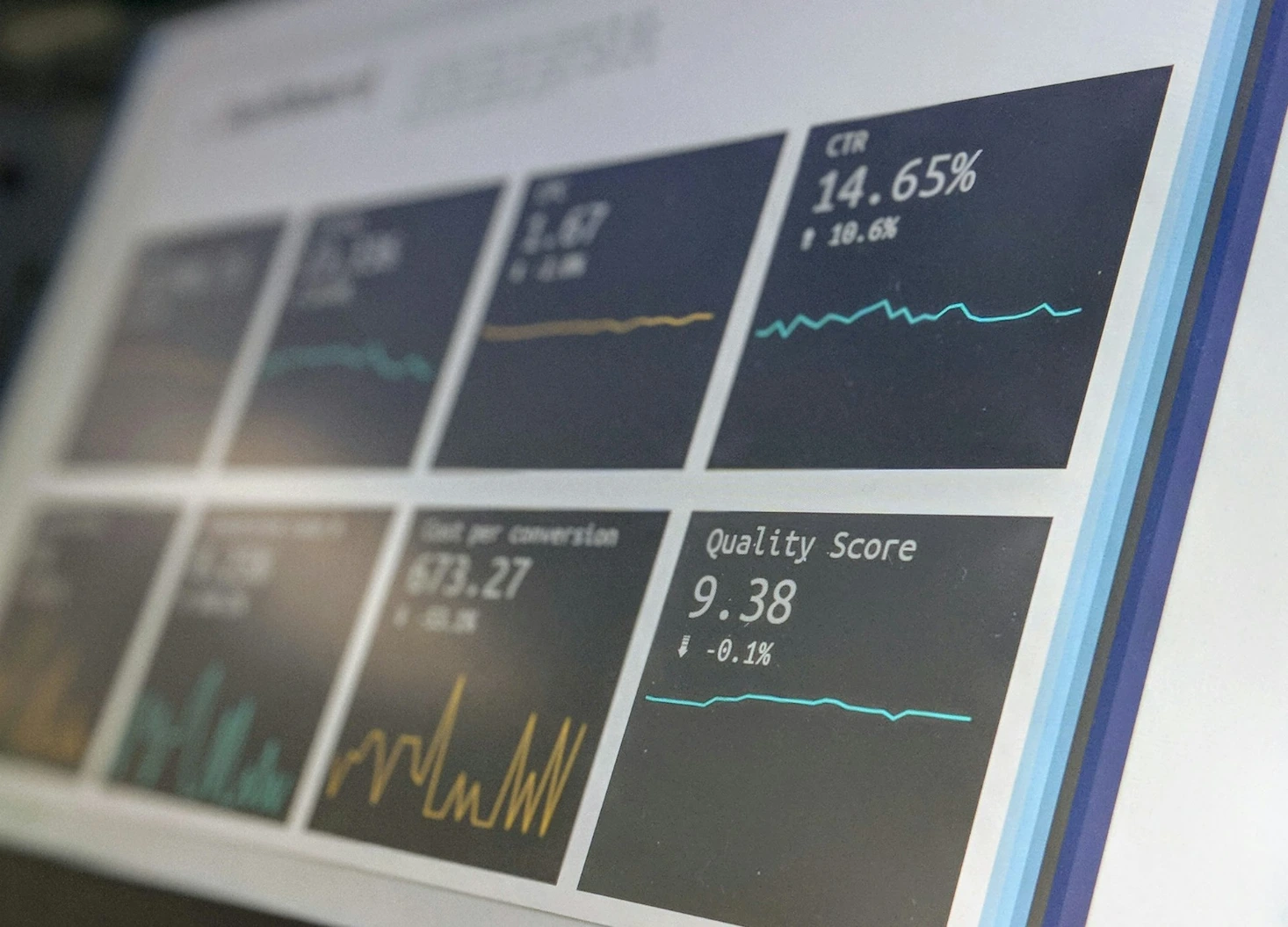
- Reporting is live, not built on request. Production managers and owners get a dashboard showing where things actually stand, without someone assembling it manually every week.
Why This Shift Is Happening Now for Indianapolis Manufacturers
A few things are pushing more local shops to make this move at the same time.
- Growth outpacing what one spreadsheet owner can manage. Shops taking on more volume or more product lines are hitting the point where one person's mental model of the schedule isn't enough anymore.
- Turnover risk. Losing the one person who understands the master spreadsheet is a real operational risk, and shops are increasingly unwilling to carry that risk as their production complexity grows.
- Customer demands for better visibility. More manufacturers are being asked by their own customers for accurate delivery timing and traceability, which a spreadsheet-based system struggles to provide reliably.
- Tighter margins making inefficiency more expensive. Material costs and labor availability have both made the hidden cost of manual scheduling errors harder to absorb than it used to be.

What Moving Off Spreadsheets Actually Involves
- We map your current planning process. How the spreadsheet is structured, who touches it, and where the manual workarounds live.
- We build your bills of materials in Odoo. This becomes the foundation for accurate scheduling and material planning going forward.
- We configure production routings and capacity. Machine and shift capacity get set up so the schedule reflects what your shop can actually handle.
- We connect inventory. Real-time stock levels feed directly into both scheduling and purchasing.
- We train your team before cutting over. Planners and shop floor staff both need to be comfortable with the new workflow before the spreadsheet gets retired for good.
Most shops run both systems in parallel for a short stretch before fully switching over, so nothing falls through the cracks during the transition.
Where This Leaves You
If your production schedule depends on one person, one file, and a version history nobody fully trusts, that's usually a sign the shop has outgrown the tool, not a sign anyone did anything wrong. Spreadsheets got you this far. Odoo MRP is what most growing manufacturers move to next.
We've been doing IT consulting and Odoo implementation work in Indianapolis for over 21 years, and as an Odoo Partner, we've moved enough shops off spreadsheets to know exactly where the risk points are and how to migrate without disrupting live production.
Book a free 60-minute Systems Mapping Call or Talk To Us. No pitch. No pressure. Just an honest look at whether your business is ready to make the switch.