A shop floor manager told us his team knew they were losing material somewhere in the process. They just couldn't say where. Scrap got logged on a clipboard, inventory counts happened once a month, and by the time anyone noticed a pattern, it was three production runs too late to do anything about it.
That's a common story across Indianapolis manufacturers running on spreadsheets, paper logs, and disconnected software. The waste isn't usually one big obvious problem. It's a dozen small ones that never get connected because nothing in the system talks to anything else.
Why Waste Hides in Disconnected Systems
Manufacturing waste shows up in more places than most owners expect: over-ordered raw materials sitting in a corner, production runs based on outdated demand numbers, scrap that never gets tracked back to a specific cause, and machine downtime that gets logged (if it gets logged at all) somewhere nobody reviews.
Each of these problems is fixable on its own. The harder issue is that most shops don't have one system connecting purchasing, inventory, production, and quality control, so nobody has the full picture. A purchasing manager orders based on what inventory says is on hand. Inventory is three weeks out of date because updates happen manually. Production runs a batch based on that bad number. The result is either a rush order or a pile of excess material, and either way, it's waste that traces back to systems that don't share data.
An ERP for manufacturing closes that gap by putting purchasing, inventory, production planning, and quality control into one connected system, so a change in one area shows up everywhere else automatically.
Where Odoo Actually Reduces Waste
Real-time inventory tracking. Instead of monthly counts or manual spreadsheet updates, Odoo tracks inventory as it moves, material coming in, material consumed in production, finished goods going out. Purchasing decisions get made on accurate numbers instead of numbers that are already out of date by the time anyone looks at them.
- Manufacturing Resource Planning (MRP). Odoo's MRP module builds production schedules based on actual demand and current inventory, not guesswork. Bills of materials define exactly what a production run should consume, which makes it much easier to spot when actual usage is running higher than it should.
- Scrap and quality tracking tied to the source. When scrap gets logged in Odoo, it's tied to a specific work order, machine, or shift, not a general tally on a clipboard. Over time, that data shows patterns: a specific machine generating more scrap than others, a particular shift with higher defect rates, a supplier whose material is causing more rework. Those are patterns you can act on, but only if the data is connected enough to reveal them.
- Purchasing tied to actual need. Because Odoo's purchasing module sees the same inventory and production data as everything else, reordering happens based on what's actually needed, not padded estimates meant to cover for uncertain numbers elsewhere in the system.
- Maintenance scheduling. Unplanned downtime is its own kind of waste, wasted labor hours, delayed orders, rushed makeup production. Odoo's maintenance module tracks equipment history and can flag preventive maintenance before a breakdown forces an unplanned stop.
Why This Is Coming Up More With Indianapolis Manufacturers
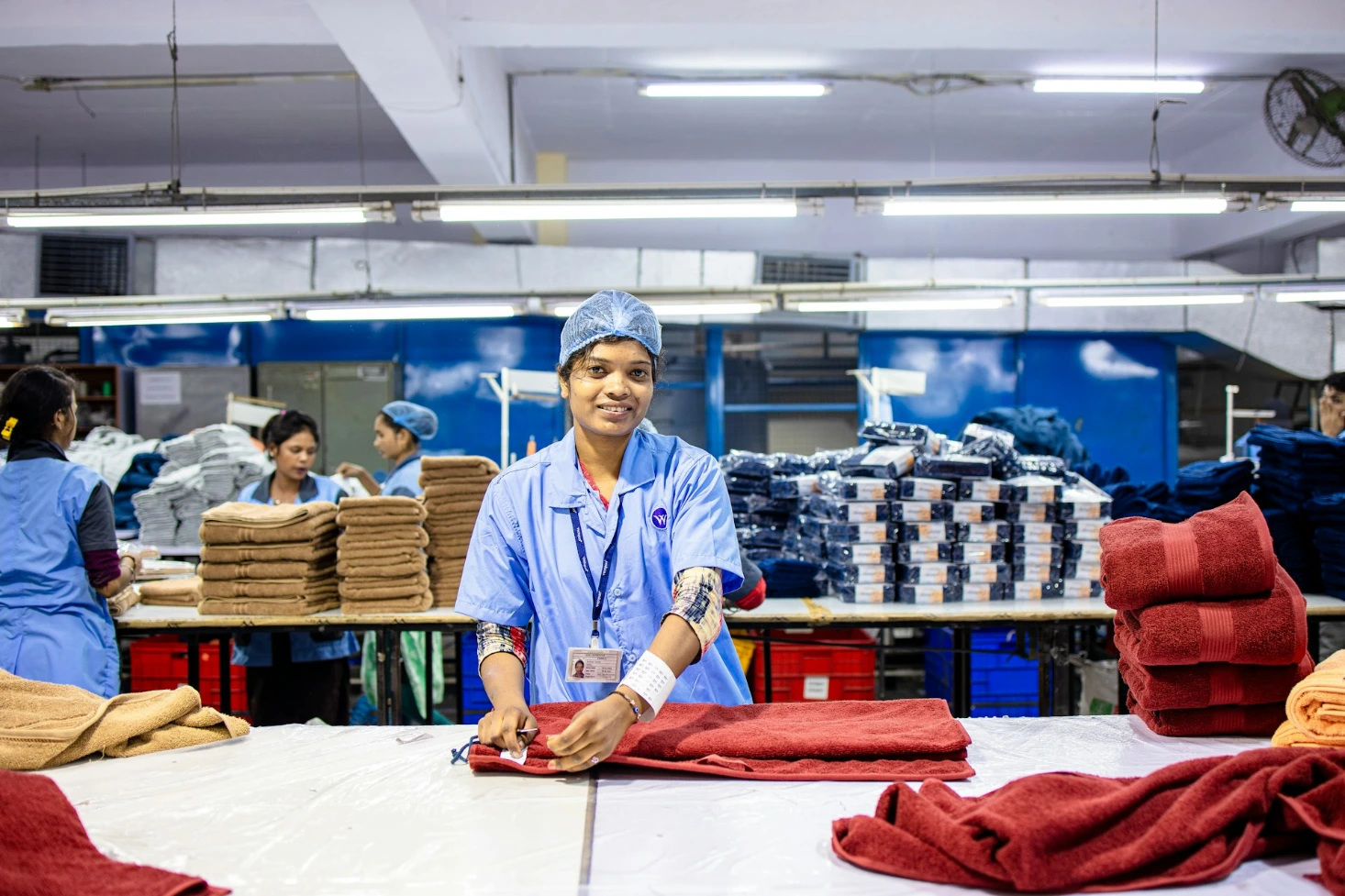
Indianapolis has a sizable manufacturing base, from automotive suppliers to metal fabrication to specialty production shops, and a few local patterns are pushing more of them toward ERP systems.
- Tighter margins. Material costs have been volatile enough in recent years that manufacturers can't afford to absorb waste they can't see. Every percentage point of scrap or excess inventory has a bigger impact on the bottom line than it used to.
- Labor availability. With hiring tight across the region, shops need their existing teams to spend less time on manual data entry and reconciliation, and more time on production itself.
- Customer expectations. More manufacturers are being asked by their own customers for better traceability, on materials, on quality issues, on delivery timing. That's difficult to provide from a paper-based system.
- Growth without adding headcount. Shops taking on more volume often can't just add more administrative staff to keep up with manual tracking. A connected system lets existing staff manage more without the workload becoming unmanageable.
- Talk To Us Book A Free Demo
What Implementation Looks Like for a Manufacturing Shop
- We map your current process. How materials move from purchasing through production to finished goods, and where the manual work and blind spots are.
- We configure your bills of materials and routings. This is the foundation for accurate production planning and waste tracking, so it gets built around how your shop actually runs.
- We connect inventory and purchasing. Real-time stock levels feed directly into reordering, so purchasing decisions are based on current numbers.
- We set up scrap and quality tracking. Tied to work orders, machines, and shifts, so patterns are visible instead of buried in a clipboard.
- Your team gets trained before go-live. Shop floor staff, purchasing, and management all need to be comfortable with the new workflow before it replaces the old one.
Timelines vary more for manufacturing than for a lot of other industries, since bills of materials and routings can get complex, but most shops are running within a few weeks to a couple of months depending on scope.
Where This Leaves You
If your shop is still tracking scrap on a clipboard and reordering based on inventory numbers that are weeks old, the waste you can see is probably smaller than the waste you can't. Connecting purchasing, inventory, production, and quality into one system is usually what makes the difference visible in the first place.
We've been doing IT consulting and Odoo implementation work in Indianapolis for over 21 years, and as an Odoo Partner, we've set up manufacturing shops enough times to know where waste typically hides and what it actually takes to fix it.
Book a free 60-minute Systems Mapping Call. No pitch. No pressure. Just a clear read on where your shop stands to gain the most.
Or reach us directly at info@tndtechnologygroup.com or +1 317 203 0244. We're local, and we're happy to talk.